
5 Things You Need to Include for the Perfect Quilt Label
Updated August 2025 *If you’ve ever wondered if Spoonflower artists design quilt labels, they do! While you always have the option to design and print your own quilt labels, or write label information on a piece of fabric to sew on your quilt, there are hundreds of quilt label designs already available in the Spoonflower Design Library ready for you to use. As quilt labels are tiny-yet-powerful items that can go overlooked, we asked Quilt Alliance Executive Director Amy Milne to share why they’re important to add to your quilts, best practices for what to include and a curated collection of some of the many quilt label designs Spoonflower has to offer. *
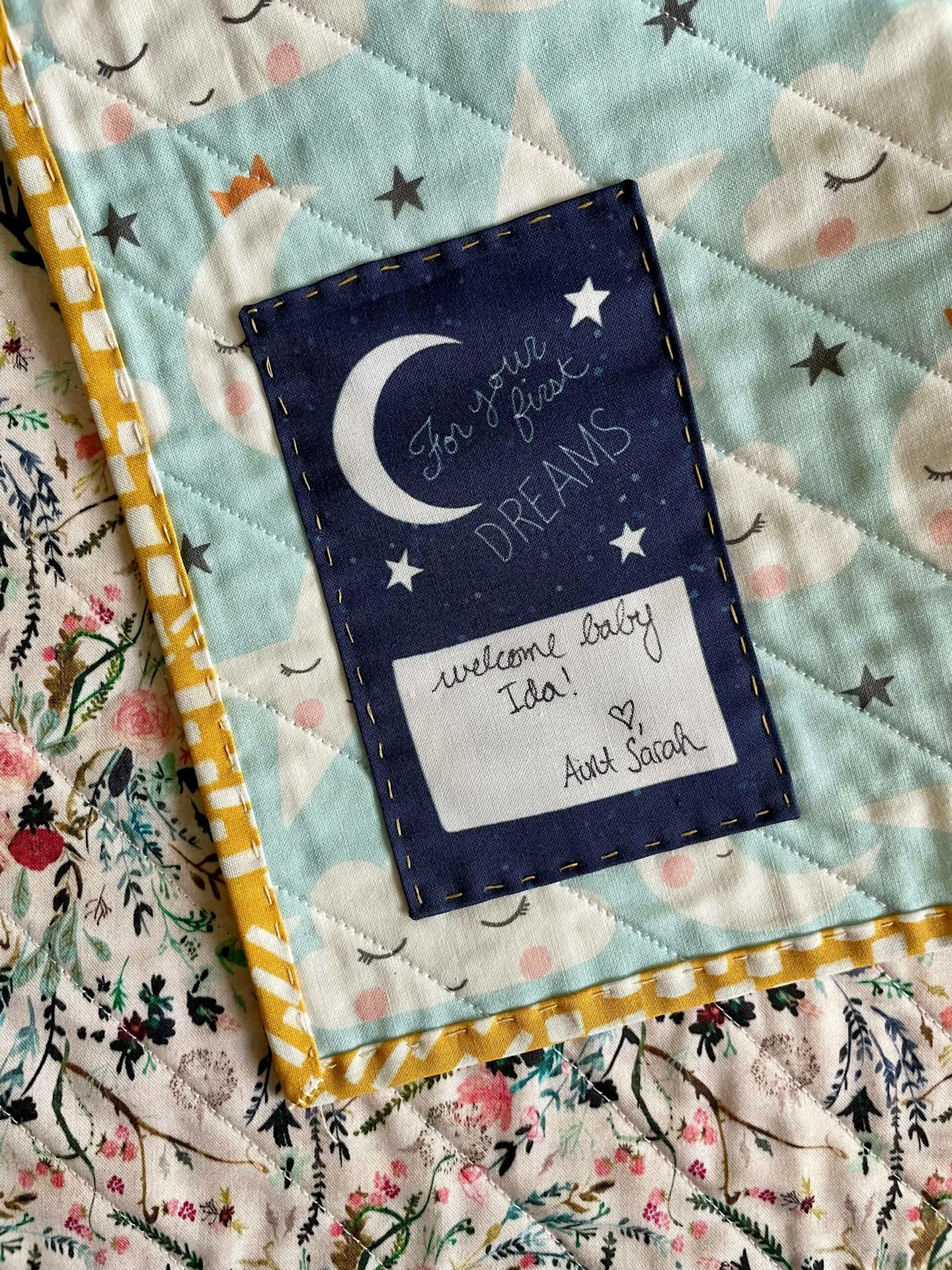
**Why label a quilt? **
**Quilt labels outlive quilters **
Quilts have the power to cover and comfort; memorialize and celebrate; and honor and inspire their owners. Quilt makers give or sell quilts as gifts, heirlooms, mementos, pieces of art and functional decor. Whether it’s a humble nine-patch or a prize-winning modern quilt, one truism applies to most quilts: unless it’s destroyed in some kind of accident, it’s likely to outlive its maker. That means that the next owner who inherits the quilt from a relative, purchases the quilt from a dealer or gallery or buys the quilt at a rummage sale may or may not receive the story of the quilt along with the object itself.**Missing quilt labels mean missing history **
In fact, the vast majority of antique and vintage quilts on sale today are more likely to be considered “Anonymous” or “Maker Unknown” than they are to come with some form of documentation. When a museum-quality quilt is missing documentation (whether it’s a label or a written description), the quilt’s story and context can’t be fully understood and studied by historians and curators. When a family heirloom quilt lacks proper documentation, it makes it more difficult for recipients to make connections to the object that go beyond its tactile qualities.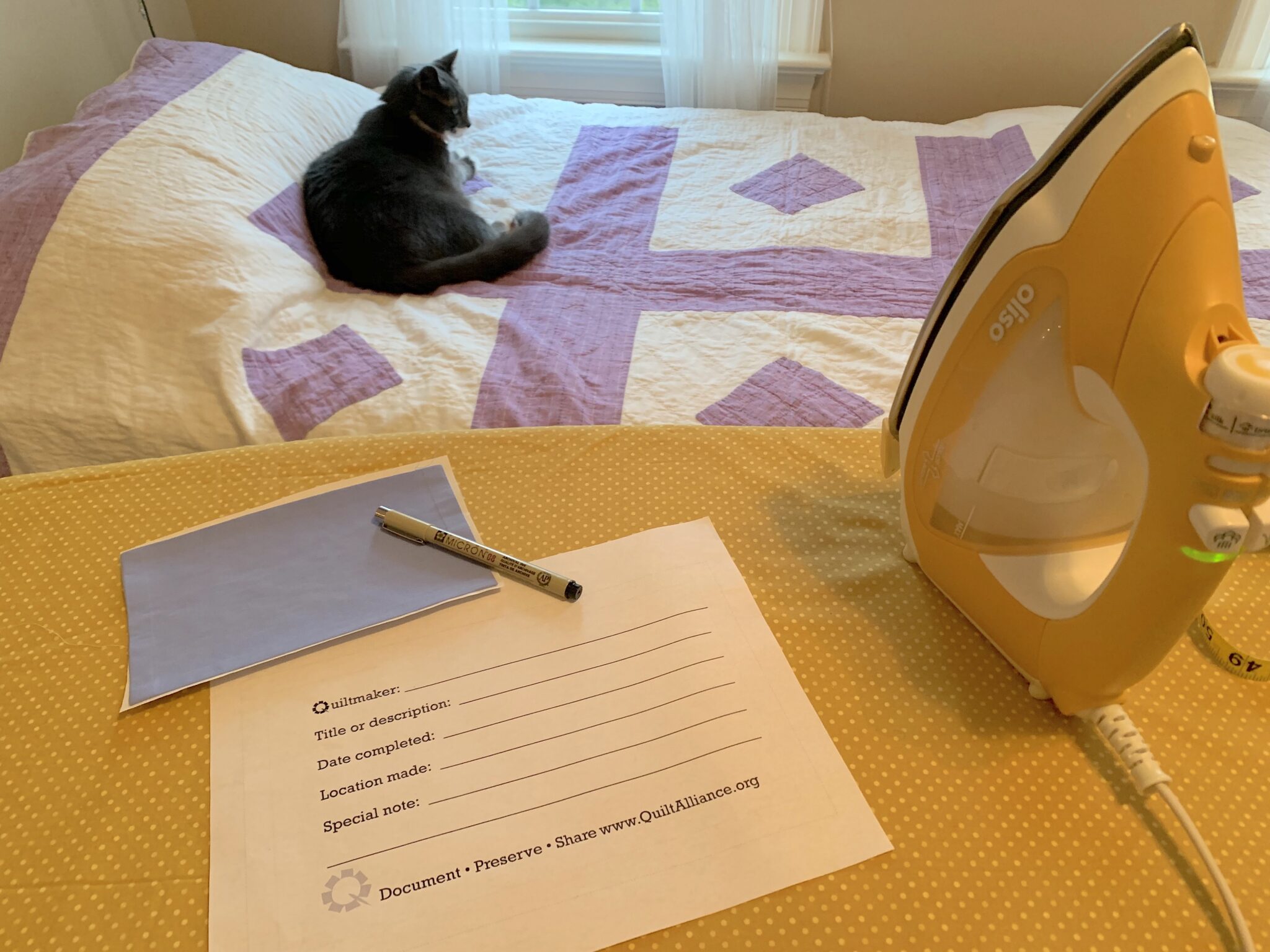
Quilt labels preserve quilters’ stories
A quilt label might include dates and names and locations that enable or corroborate genealogy research. Quilt appraisers take documentation into account when valuing a quilt. Details provided by the maker like a) the quilt’s purpose and meaning, b) its technical challenges and c) the significance of its motifs and images along with any historical or cultural reference included with the quilt that can affect the quilt’s overall value. And when quilts are given as gifts, sometimes the recipient can simply forget important details such as the maker’s name. Quilts made to celebrate births, weddings or anniversaries without labels are vulnerable to becoming Anonymous within the space of a generation. Since labeling is one of the easiest and most important ways to document a quilt, let’s go through some tips on making an effective quilt label.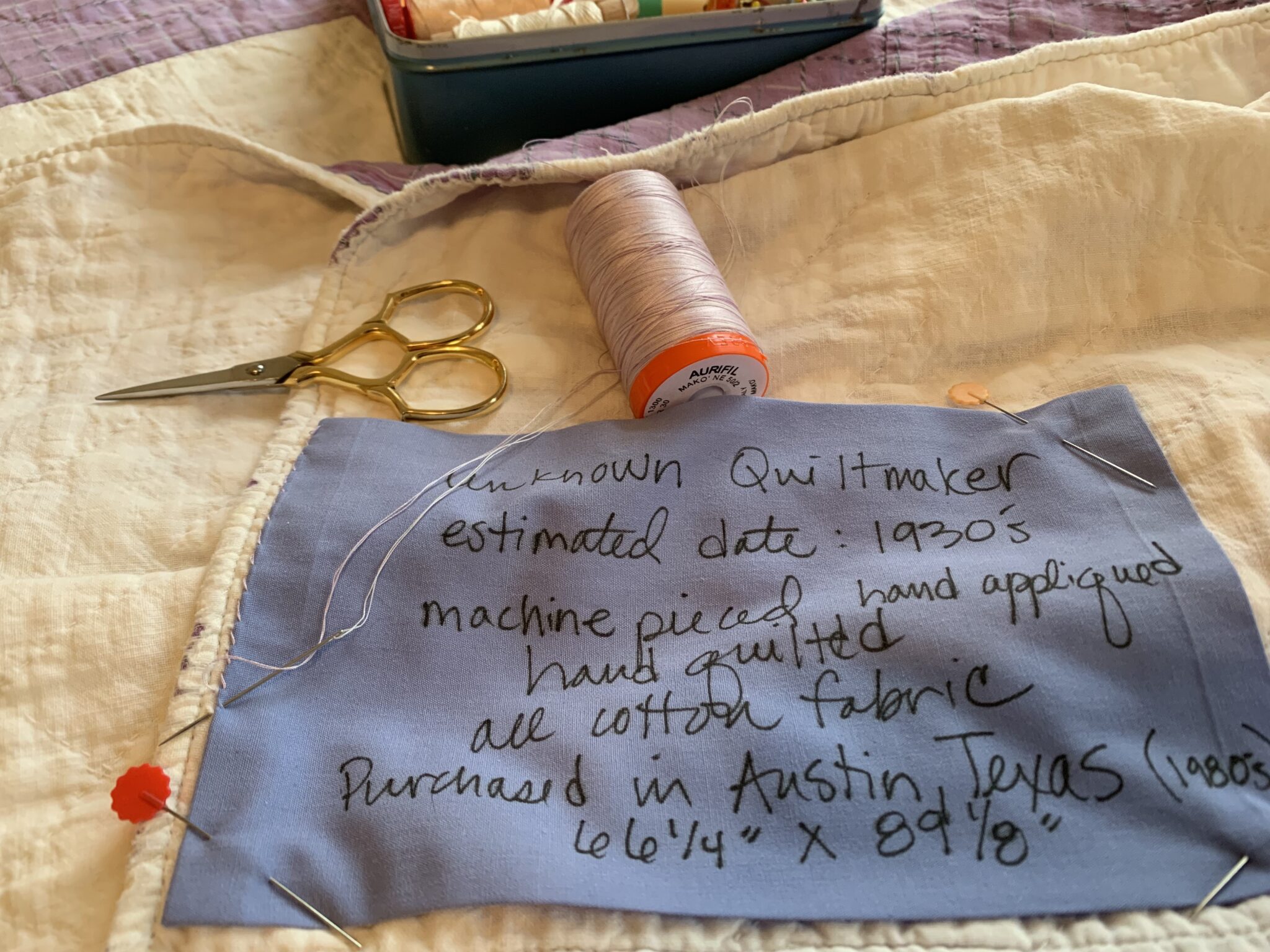
**What type of fabric to use for your quilt label **
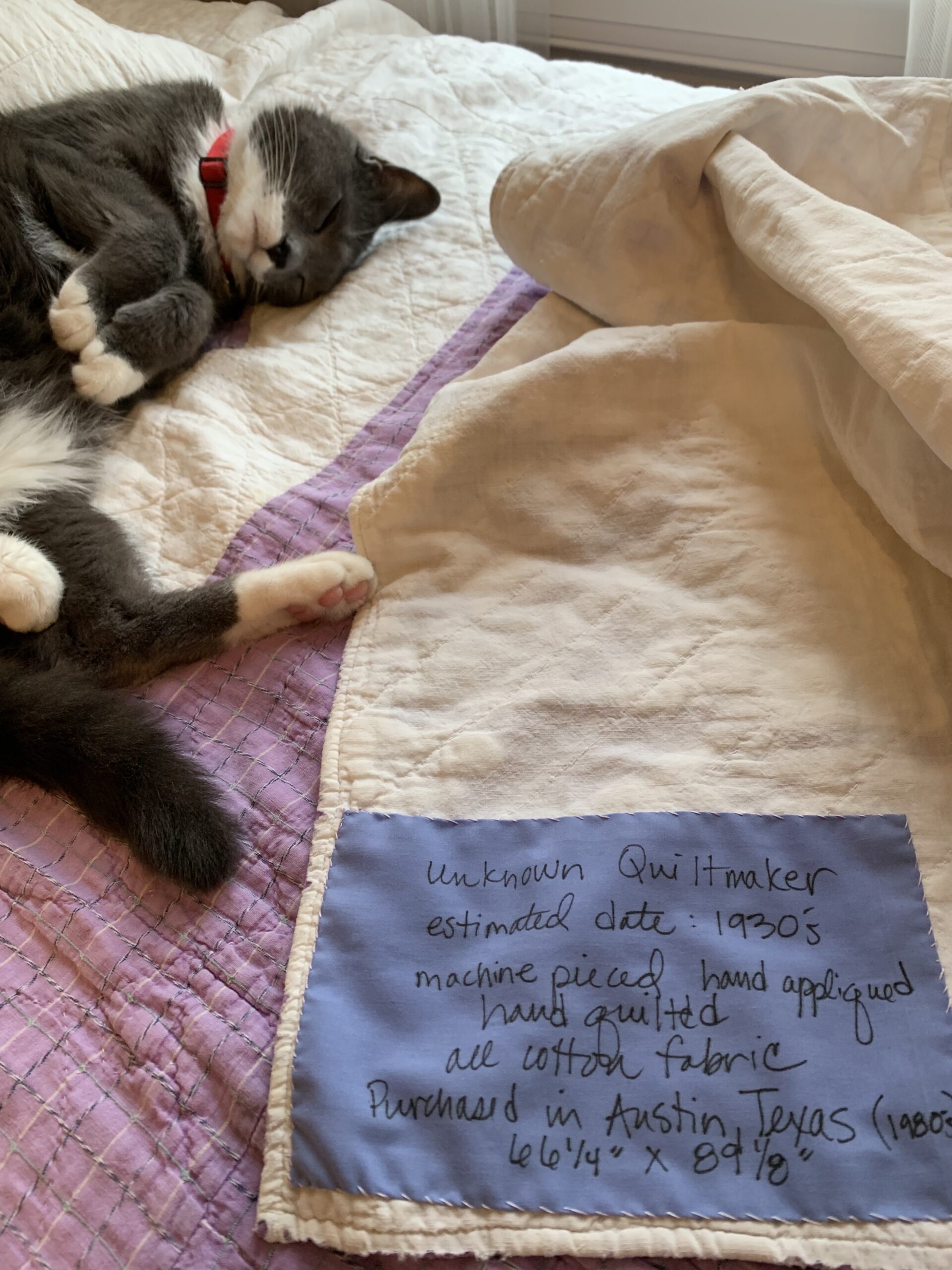
Any natural-fiber fabric that’s smooth enough and light enough to write on is perfect for a label. This is a great way to use up your scraps, especially if you used custom-printed Spoonflower fabric in your quilt. Tip: check out our collection of label blocks here and print them on Spoonflower’s fabric.What quilting fabrics does Spoonflower have?
**What should I include on my quilt label? **
The sky’s the limit when you’re labeling your latest quilt or your most beloved antique quilt. Remember, not every label has to have every item below and depends on what information you know, what you’d like to share and personal preference. But if you have room and would like to share what you know, more can be more! It’s okay to include information you are not completely certain about. You can say something like “Said by my family to be made by my great-grandmother, Effie Barnes. She lived from 1901-1971. She changed her last name from Parker in 1932, so it was made sometime after that year.” Labeling your quilt is an important way to keep its history from fading away.Important information to include
- Maker’s name
- Title or pattern name
- Date made (start and finish date)
- Location made
- Contact information for the maker/owner (add an email address in case the quilt is lost)
Additional ideas for information to add:
- Purpose of quilt
- Recipient’s name(s)
- Dimensions (useful for exhibition entries or for hanging purposes)
- Fiber content
- Techniques
- Why the quilt was made (e.g. for a quilt show, a gift, to use a certain fabric, to practice a technique, to experiment)
Shop the Quilt Alliance’s curated quilt label collection
About the Quilt Alliance
The Quilt Alliance is a nonprofit 501(c)(3) organization established in 1993 with a mission to document, preserve and share American quilt heritage by collecting the rich stories that historic and contemporary quilts, and their makers, tell about our nation’s diverse individuals and communities. Our vision is No More Anonymous Quilt Makers. Our key project is Quilters’ Save Our Stories (QSOS), an oral history project launched in 1999. It’s not only the largest collection of quilter interviews, it’s also the world’s largest grassroots oral history project of its kind. The historic QSOS collection includes over 1,200 quilter interviews and can be found on the QSOS website. It’s also archived at the American Folklife Center at the Library of Congress and at the University of Kentucky‘s Louie B. Nunn Center for Oral History.Quilt Alliance projects include:
• Go Tell It! — a quilt documentation project anyone can use to record and preserve the story of a quilt they’ve made or own.• Running Stitch — a QSOS Podcast, a series hosted by Janneken Smucker that digs into the QSOS archive to listen to excerpts from past interviews, and bring back interviewees to ask them about what they are working on and thinking about presently.• Community Quilt Days — public events where community participants share and learn about the quilts in their community and participate in Quilt Alliance’s documentation projects.• Quilters Take a Moment — a virtual educational event held annually that offers quilt documentation workshops on tips and techniques for quilt makers and owners. Because quilt documentation is both preservational and generative, we serve a unique role in the quilting community: connector. We invite all quilt makers and quilt keepers to share their story for the sake of recording and archiving historical records, but also as a means to express themselves and connect to other artists in the field. In the process of saving our quilt stories, we create connections and community.
Frequently Asked Questions
What fabric should I print my quilt labels on?
Amy suggests any natural-fiber fabric that is smooth enough and light enough to write on. You can learn all about our quilting fabrics at this link.What should I include on my quilt labels?
Amy says that the most important information to include is maker(s) name, title or pattern name, date made (start and finish date), location made and contact information for the maker/owner (add an email address in case the quilt is lost).Can I design and print my own quilt labels?
Yes, you can! Learn how to do just that in this Help Center article.Where can I see quilt labels that Spoonflower artists have already designed?
You can see designs labeled as quilt labels at this link. For a curated collection of quilt labels, see the Quilt Alliance’s quilt label collection.Want to see more quilting posts?
Made to order using unique designs from artists worldwide.
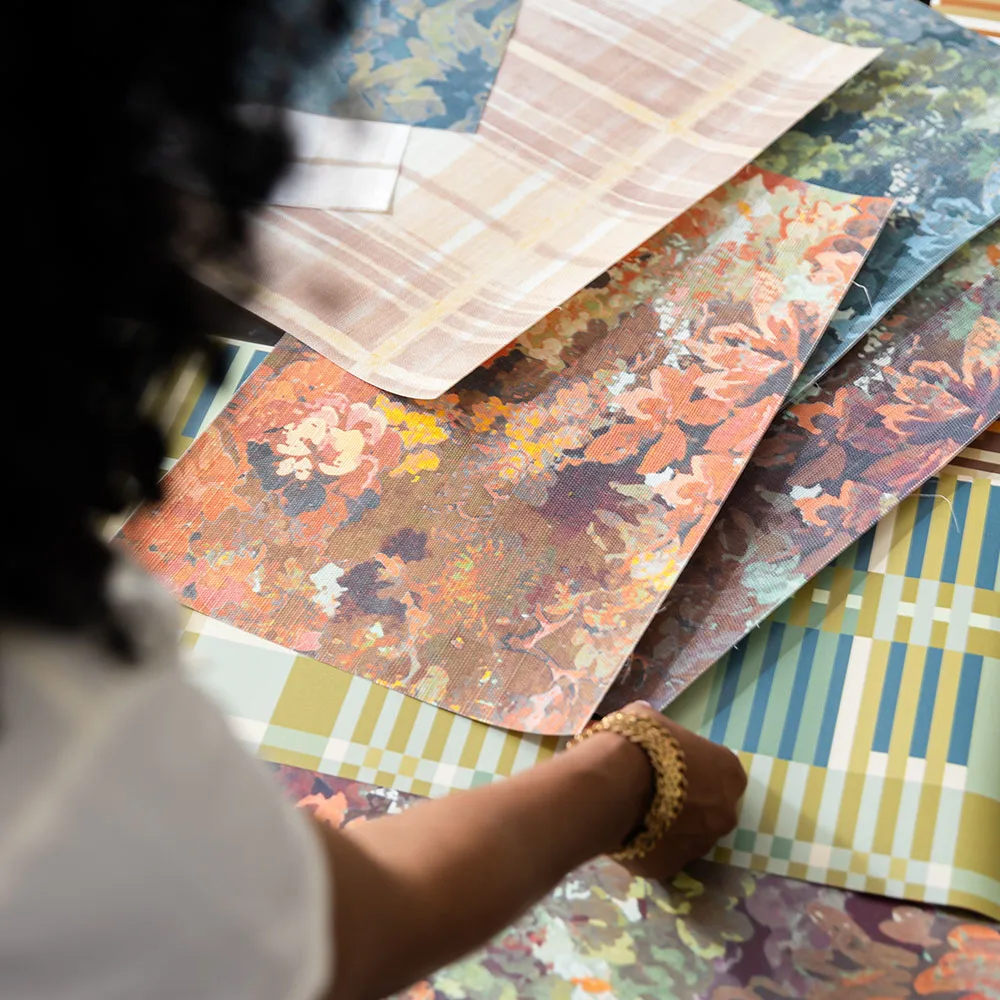
The World’s Largest Design Library for Wallpaper and Textiles
Discover a world of design—from minimalist to maximalist. Thousands of global artists, with new styles added constantly.
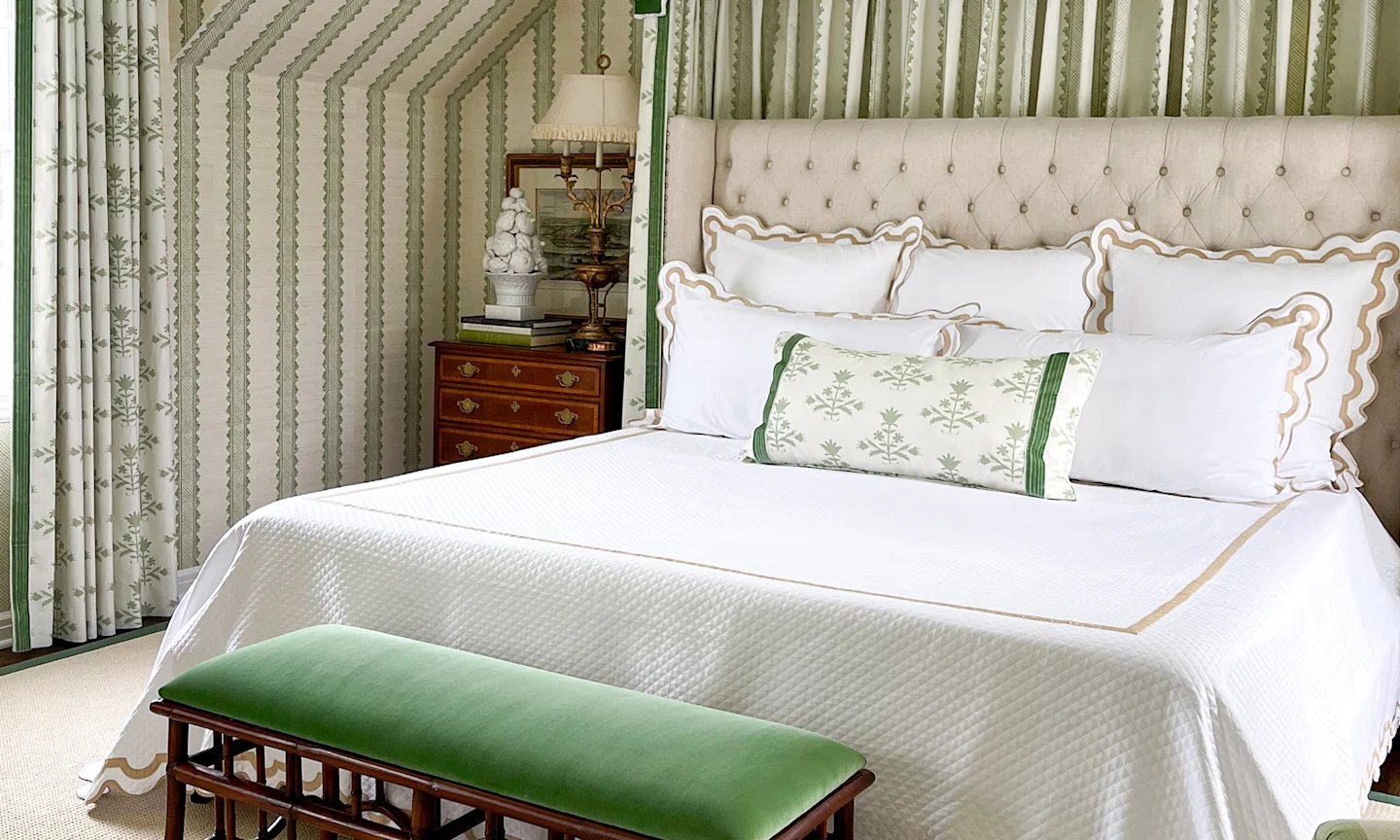
Custom Designs on Any Item
Our made-to-order model lets you print any design on any material. Coordinate patterns across rooms for a cohesive, personalized home.
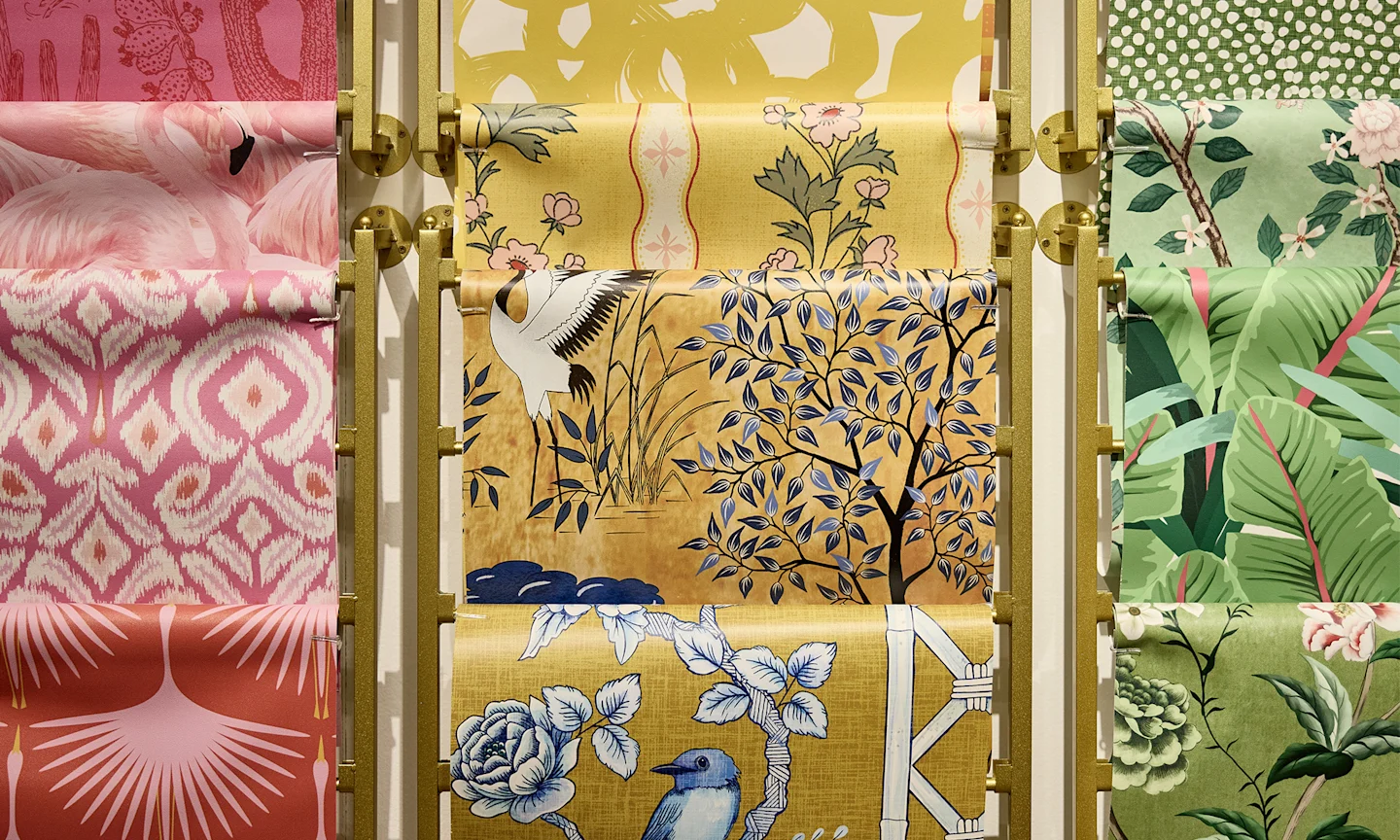
Premium Materials, Always in Stock
Trusted by pros and enthusiasts, our responsibly sourced textiles and papers offer the perfect finish—from smooth to textured, delicate to durable.
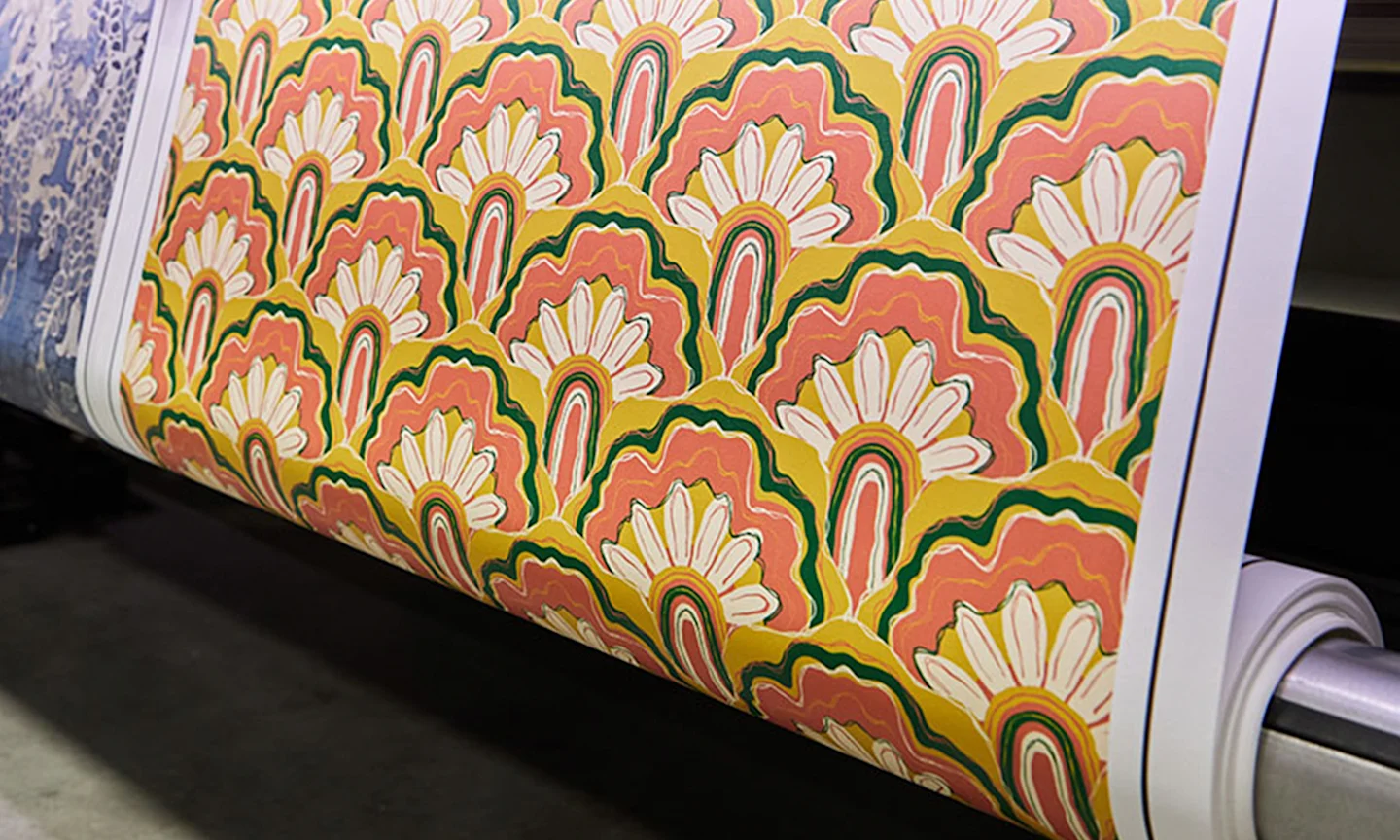
Printed on Demand in the USA
Our print-on-demand model lets you choose your design, material, and quantity—minimizing waste with non-toxic inks and reduced packaging.